SCOTUS Rules in favor of Colorado Bakers

What a shit ruling. Much was based on the "indignity" the baker would suffer if he made a cake for gays. How about the indignity of people walking into a shop and being told "we don't serve your kind". What a slap in the face that is? However, if they want to spare that to all, store owners should place large signs in their windows listing the people they refuse to sell to. Perhaps their religious beliefs rejects Scientologists, Muslims, Sikhs and perhaps they translate the bible into refusing blacks. They should have a huge sign in the window to protect them from the indignity? We could have a pink triangle. It worked for Nazis.[/QUOTE

The bakery did not refuse to serve gays and it had served those customers previously. It centered on using his "artistic creativity" to produce a cake for a specific purpose and the comments of the commissioners who made judgments about his religious beliefs.

The only thing I could find about "indignities" was referring to gay customers.
 
Last edited:
What a shit ruling. Much was based on the "indignity" the baker would suffer if he made a cake for gays. How about the indignity of people walking into a shop and being told "we don't serve your kind". What a slap in the face that is? However, if they want to spare that to all, store owners should place large signs in their windows listing the people they refuse to sell to. Perhaps their religious beliefs rejects Scientologists, Muslims, Sikhs and perhaps they translate the bible into refusing blacks. They should have a huge sign in the window to protect them from the indignity? We could have a pink triangle. It worked for Nazis.

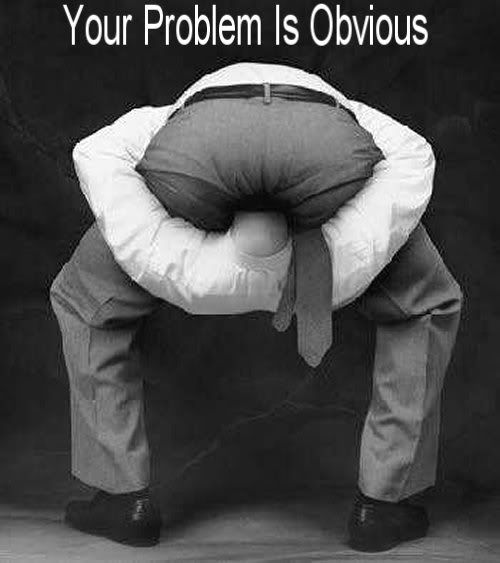
Translation:

head_up_your_ass2.jpg
 
It was decided on there having been a Colorado law at the time of the incident that allowed bakers not to make cakes with messages they found offensive and the civil rights commission basically just ignored that when whacking the baker.

Not the same thing. Messages are one thing and it is choosing to write it. But gays do not choose who they are. They are being as god made them. The court will wind up hearing the refusal for other reasons like religion in the future. I heard on the TV thathe Supremes actually ruled on the Colorado ruling not giving enough respect to the religious beliefs of the baker. That makes no sense.
 
It was a proper ruling. Kagan and Breyer even voted with the majority. Do you think Kagan and Breyer are homophobes? Not many people are speaking about that.

Nope. I disagree with the ruling and its eventual impact, which can be very corrupting. This was about the Colorado ruling and whether the bakers beliefs were given fair sway. So a technical ruling, not on principles. They said the Colorado ruling was hostile to the bakers religion. It is a narrow ruling because it did not address the big picture, whether a company can discriminate against gays or others. It referred only to the Colorado case procedures.So the judges that thought that was true are allowing others to read it as allowing discrimination on basis of sexual preference and perhaps more.
 
Not the same thing. Messages are one thing and it is choosing to write it. But gays do not choose who they are. They are being as god made them. The court will wind up hearing the refusal for other reasons like religion in the future. I heard on the TV thathe Supremes actually ruled on the Colorado ruling not giving enough respect to the religious beliefs of the baker. That makes no sense.

But there is no constitutional right to buy a cake and there is for freedom of expression which includes the freedom to remain silent. But this case was decided on the free exercise of religion clause and the religious beliefs of the baker were a big factor. The commission had previously held on three occasions that bakers were not discriminating when they refused to bake cakes because they were offensive to gays but did not give Phillips the same religious freedom. They based their decision on the content of those religious beliefs rather than being neutral.

"He argued that the Commission had treated the other bakers’ conscience-based objections as legitimate, but treated his as illegiti-
mate—thus sitting in judgment of his religious beliefs themselves."
 
Nope. I disagree with the ruling and its eventual impact, which can be very corrupting. This was about the Colorado ruling and whether the bakers beliefs were given fair sway. So a technical ruling, not on principles. They said the Colorado ruling was hostile to the bakers religion. It is a narrow ruling because it did not address the big picture, whether a company can discriminate against gays or others. It referred only to the Colorado case procedures.So the judges that thought that was true are allowing others to read it as allowing discrimination on basis of sexual preference and perhaps more.

It said they could not discriminate against gays in general. Selling baked goods is different than artistic creation according to the Court. Gay marriage was not legal in CO when that occurred although that is probably not relevant.
 
https://www.msn.com/en-us/news/us/s...n-to-baker-over-gay-couple-dispute/ar-AAydEGF

The U.S. Supreme Court on Monday handed a narrow victory to a Christian baker from Colorado who refused for religious reasons to make a wedding cake for a gay couple.

The justices, in a 7-2 decision, faulted the Colorado Civil Rights Commission's handling of the claims brought against Jack Phillips, saying it had showed a hostility to religion.

_____________________________

What cracks me up is MSNBC calls 7-2 a "narrow victory" :palm:


As usual you are confused they called the decision narrow
 
But there is no constitutional right to buy a cake and there is for freedom of expression which includes the freedom to remain silent. But this case was decided on the free exercise of religion clause and the religious beliefs of the baker were a big factor. The commission had previously held on three occasions that bakers were not discriminating when they refused to bake cakes because they were offensive to gays but did not give Phillips the same religious freedom. They based their decision on the content of those religious beliefs rather than being neutral.

"He argued that the Commission had treated the other bakers’ conscience-based objections as legitimate, but treated his as illegiti-
mate—thus sitting in judgment of his religious beliefs themselves."

wrong. This case is only about Phillips and the Colorado ruling. The Supremes felt he was treated with hostility. The ruling only applies to Phillips . It does not set a precedence. It does not allow discrimination against gays or anyone else.

From the decision " These disputes must be resolved with tolerance, without undue disrespect to sincere religious beliefs and without suffering gay persons to indignities when they seek goods and services in an open market."

It was called narrow because it only deals with Phillips case, setting no precedences. Narrow i s not about the vote count.
 
wrong. This case is only about Phillips and the Colorado ruling. The Supremes felt he was treated with hostility. The ruling only applies to Phillips . It does not set a precedence. It does not allow discrimination against gays or anyone else.

From the decision " These disputes must be resolved with tolerance, without undue disrespect to sincere religious beliefs and without suffering gay persons to indignities when they seek goods and services in an open market."

It was called narrow because it only deals with Phillips case, setting no precedences. Narrow i s not about the vote count.

What part is "wrong?" Nothing I said is at odds with your post. My previous reply to your post said:

"It said they could not discriminate against gays in general. Selling baked goods is different than artistic creation according to the Court. Gay marriage was not legal in CO when that occurred although that is probably not relevant."

I understand the "narrow" label but it does not necessarily just deal with Phillips and can be a precedent if another case occurs with similar facts. If the commission allows bakers to refuse to bake cakes that are offensive to gays and baker Jones refuses to make a cake for a gay wedding, the commission would most likely use this Materpiece Cakeshop as precedent to rule in favor of Jones.

The Supreme Court has a long history of ruling on the narrow (often technical) merits of a particular case rather than ruling on broader, constitutional issues. It would be difficult to make a general rule applying to all such cases under the CO law since the facts could vary considerably.

It ruled the commission violated the free exercise of religion clause.
 
Back
Top