Anybody here think trump's healthcare "plan" is real?

Those bars about sadness for those who suffer show a awesomely beautiful thing


It shows 91% of men feel sadness for those who suffer


MOST PEOPLE ARE MOSTLY GOOD

ONLY 9 percent of men feel no compassion for others


These fucking Nazi maga cluck will never have the numbers to successfully fight the people and win


Thanks Dutch
Agreed most people are good. The MAGAtards on JPP are an exception: bitter, lonely, hateful old men who fear facing judgment. I feel sad for them since it's not a good way to go nor is it a very happy ending.

Notice how quickly the MAGAtards ran from these studies. LOL
 
Agreed most people are good. The MAGAtards on JPP are an exception: bitter, lonely, hateful old men who fear facing judgment. I feel sad for them since it's not a good way to go nor is it a very happy ending.

Notice how quickly the MAGAtards ran from these studies. LOL
And young men who embrace such toxic ideals that no woman will touch their tiny dicks unless paid lots of money

Good thing there are maga girls who will take that money no matter how reluctantly they do it
 
Is that the new Putin ordered rewrite for all the bot holes


I guess even Putin knows the plan failed and a rewrite is needed to keep him from being imprisoned until death by the international community
what was the plan and how has Putin rewritten it?
 
Anyway, you can read about his program at: greathealthcare.gov which takes you to the link below.

 
Is that what the article said. It was an opinion piece by a liberal as to why there is more reported mental health issues for liberals.
that's her justification of why they're so upset when they don't get what they want.

they're the evolved saviours of mankind, and it hurts when they get ignored.

how about a crucifixion and the spear in the side, hoes?
 
Bullshit.

Here are one set of rankings for best healthcare in the world.

  1. Taiwan (78.72)
  2. South Korea (77.7)
  3. Australia (74.11)
  4. Canada (71.32)
  5. Sweden (70.73)
  6. Ireland (67.99)
  7. Netherlands (65.38)
  8. Germany (64.66)
  9. Norway (64.63)
  10. Israel (61.73)
  11. Belgium (60.16)
  12. Switzerland (59.6)
  13. Japan (59.52)
  14. Singapore (57.96)
  15. United States (56.71)
  16. Austria (54.86)
  17. United Arab Emirates (52.3)
  18. Czech Republic (52.25)
  19. Finland (52.1)
  20. Portugal (51.99)

---------
Here's another:
Here's another
Image
:


Here's what they were ranked on:


Further down in the page this is listed:

The Health Care Index measures five variables:

  • Healthcare Infrastructure – quality and capacity of hospitals, clinics, and networks.
  • Medical Professionals – competence and density of doctors, nurses, and health workers.
  • Medicine Availability and Cost – accessibility and affordability of essential medicines.
  • Government Readiness – ability to respond to crises, regulate effectively, and invest in prevention.
  • Environmental & Lifestyle Factors – access to clean water, sanitation, and regulation of health risks.

Now, the Commonwealth study mentioned at the bottom of RD's post measures:

Access to Care focuses on the affordability and availability of health services at the population level.

Care Process looks at whether the care that is delivered includes features and attributes that most experts around the world consider to be essential to high-quality care. The elements of this domain are prevention, safety, coordination, patient engagement, and sensitivity to patient preferences.

Administrative efficiency focuses on measures of the challenges doctors have in dealing with insurance or medical claims issues; requirements for providers to report clinical or quality data to governmental agencies; and patients’ time spent resolving medical bill disputes and completing paperwork.

Equity reflects how people with below-average and above-average incomes differ in their access to health care and their care experience

Health outcomes reported here refer to those outcomes that are most likely to be responsive to health care interventions.

Care process is the only measure of the quality of the health care system itself. Everything else is administrative or measuring how socialized the system is. In terms of actual care Commonwealth lists the US as #2. But because the US doesn't have a socialized, universal, healthcare system it is heavily penalized by the rest of the measures in this study.

When those advocating for universal, government run, healthcare in the US use this study they are in effect, presenting a Pygmalion. That is, they are presenting a study that awards universal government run healthcare with high marks and systems that don't do that with low ones. Thus, they are arguing from a self-fulfilling prophecy.

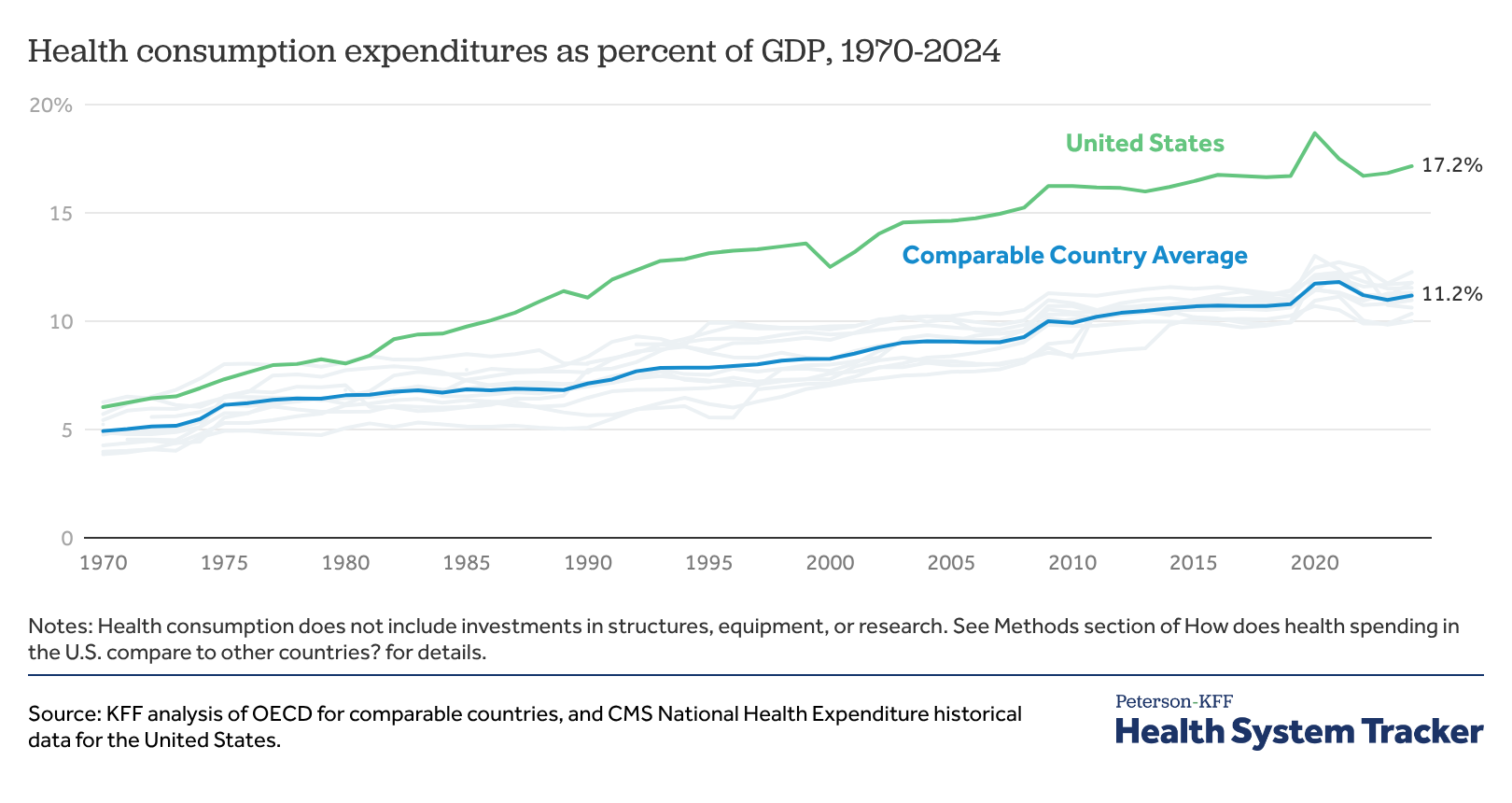
Here is the cost factor:

Health expenditures per capita, U.S. dollars, 2023 (current prices and PPP adjusted)​

United States $13,432

Switzerland $9,688

Germany $8,441

Austria $7,811

Netherlands $7,737

Sweden $7,522

Comparable Country Average $7,393

Belgium $7,380

France $7,136

Canada $7,013

Australia $6,931


United Kingdom $6,023

Japan $5,640

Notes: Data from Australia, Belgium, Japan, the Netherlands, Switzerland, and United States are estimated. Data from Austria, Canada, France, Germany, Sweden and the United Kingdom are provisional.


In this case the only thing measured is spending. Outcomes, quality, whatever aren't mentioned. This is pretty much irrelevant.
 
Here's what they were ranked on:


Further down in the page this is listed:

The Health Care Index measures five variables:

  • Healthcare Infrastructure – quality and capacity of hospitals, clinics, and networks.
  • Medical Professionals – competence and density of doctors, nurses, and health workers.
  • Medicine Availability and Cost – accessibility and affordability of essential medicines.
  • Government Readiness – ability to respond to crises, regulate effectively, and invest in prevention.
  • Environmental & Lifestyle Factors – access to clean water, sanitation, and regulation of health risks.
Now, the Commonwealth study mentioned at the bottom of RD's post measures:

Access to Care focuses on the affordability and availability of health services at the population level.

Care Process looks at whether the care that is delivered includes features and attributes that most experts around the world consider to be essential to high-quality care. The elements of this domain are prevention, safety, coordination, patient engagement, and sensitivity to patient preferences.

Administrative efficiency focuses on measures of the challenges doctors have in dealing with insurance or medical claims issues; requirements for providers to report clinical or quality data to governmental agencies; and patients’ time spent resolving medical bill disputes and completing paperwork.

Equity reflects how people with below-average and above-average incomes differ in their access to health care and their care experience

Health outcomes reported here refer to those outcomes that are most likely to be responsive to health care interventions.

Care process is the only measure of the quality of the health care system itself. Everything else is administrative or measuring how socialized the system is. In terms of actual care Commonwealth lists the US as #2. But because the US doesn't have a socialized, universal, healthcare system it is heavily penalized by the rest of the measures in this study.

When those advocating for universal, government run, healthcare in the US use this study they are in effect, presenting a Pygmalion. That is, they are presenting a study that awards universal government run healthcare with high marks and systems that don't do that with low ones. Thus, they are arguing from a self-fulfilling prophecy.


In this case the only thing measured is spending. Outcomes, quality, whatever aren't mentioned. This is pretty much irrelevant.
If it is necessary for you to avoid even acknowledging that the U.S. spends more on medical care per capita...and receives less in the way of medically valuable results than other industrialized nations...fine. I do hope I never get to a politically motivated philosophical position where I would do it, but you are you...and I am I.

Here is what AI had to say about the issue:


The U.S. ranks poorly on major health problems compared to other high-income nations, often last overall for health outcomes like life expectancy and infant mortality, despite high spending, due to issues with access, equity, chronic diseases (obesity, diabetes), and maternal mortality. While excelling in some areas like patient-centered care, the U.S. lags significantly in preventing avoidable deaths, managing chronic conditions, and providing equitable access, scoring last in overall performance in recent studies.
Key Areas of Concern

  • Life Expectancy & Mortality: Shorter life expectancy, high rates of avoidable deaths, and worse outcomes for conditions like heart disease and lung disease.
  • Maternal & Child Health: Highest rates of infant mortality, low birth weight, and women dying from childbirth complications.
  • Chronic Diseases: Highest obesity rates and high diabetes prevalence, plus higher rates of disability among older adults.
  • Injuries & Violence: Higher deaths from motor vehicle crashes, non-transportation injuries, and violence.
  • Substance Abuse: Higher years of life lost to alcohol and drugs.
Healthcare System Performance
  • Overall Ranking: The U.S. often ranks last among high-income countries in studies by organizations like the Commonwealth Fund, especially for outcomes, equity, and access.
  • Access & Equity: Ranks poorly due to barriers in affording care and disparities based on income, race, and ethnicity.
  • Care Process: Performs well on some aspects, like patient involvement, but struggles with administrative efficiency (insurance issues) and primary care physician supply.
Contrasting Strengths
  • Innovation & Technology: High use of advanced diagnostics (like MRIs) and strong performance in areas like pandemic preparedness.
  • Patient Experience: Good at patient-centered care and shorter wait times for appointments.
In essence, the U.S. spends the most on healthcare but achieves worse health outcomes for its population, particularly concerning chronic illness, premature death, and equitable access compared to other wealthy nations.

As I said, you are entitled to feel about that as you want. I feel very sad and disappointed on the matter.
 
If it is necessary for you to avoid even acknowledging that the U.S. spends more on medical care per capita...and receives less in the way of medically valuable results than other industrialized nations...fine. I do hope I never get to a politically motivated philosophical position where I would do it, but you are you...and I am I.

Here is what AI had to say about the issue:


The U.S. ranks poorly on major health problems compared to other high-income nations, often last overall for health outcomes like life expectancy and infant mortality, despite high spending, due to issues with access, equity, chronic diseases (obesity, diabetes), and maternal mortality. While excelling in some areas like patient-centered care, the U.S. lags significantly in preventing avoidable deaths, managing chronic conditions, and providing equitable access, scoring last in overall performance in recent studies.
Key Areas of Concern

  • Life Expectancy & Mortality: Shorter life expectancy, high rates of avoidable deaths, and worse outcomes for conditions like heart disease and lung disease.
  • Maternal & Child Health: Highest rates of infant mortality, low birth weight, and women dying from childbirth complications.
  • Chronic Diseases: Highest obesity rates and high diabetes prevalence, plus higher rates of disability among older adults.
  • Injuries & Violence: Higher deaths from motor vehicle crashes, non-transportation injuries, and violence.
  • Substance Abuse: Higher years of life lost to alcohol and drugs.
Healthcare System Performance
  • Overall Ranking: The U.S. often ranks last among high-income countries in studies by organizations like the Commonwealth Fund, especially for outcomes, equity, and access.
  • Access & Equity: Ranks poorly due to barriers in affording care and disparities based on income, race, and ethnicity.
  • Care Process: Performs well on some aspects, like patient involvement, but struggles with administrative efficiency (insurance issues) and primary care physician supply.
Contrasting Strengths
  • Innovation & Technology: High use of advanced diagnostics (like MRIs) and strong performance in areas like pandemic preparedness.
  • Patient Experience: Good at patient-centered care and shorter wait times for appointments.
In essence, the U.S. spends the most on healthcare but achieves worse health outcomes for its population, particularly concerning chronic illness, premature death, and equitable access compared to other wealthy nations.

As I said, you are entitled to feel about that as you want. I feel very sad and disappointed on the matter.
Now you're cherry picking results. Injuries and violence has NOTHING to do with the healthcare provided. Those are external to it. Obesity and diabetes are the same thing. Those occur from lifestyle choices not healthcare provided. In fact, all five listed can be argued to be largely external of the healthcare system unless you are going to say the government should be forcing people into healthier and less risker lifestyle choices--which you very well might be doing.

I went through the Commonwealth study already. It is about 90% based on how socialized and government run the system is. Conflating issues to make the US come out worst proves nothing.
 
:magrin:

Jealous ...no ....amused ....yes.

:magagrin:
Those bars about sadness for those who suffer show a awesomely beautiful thing


It shows 91% of men feel sadness for those who suffer


MOST PEOPLE ARE MOSTLY GOOD

ONLY 9 percent of men feel no compassion for others


These fucking Nazi maga cluck will never have the numbers to successfully fight the people and win


Thanks Dutch
I don't think anyone is going to invite you or Dutch to lead a seminar on how to be mentally physically healthy....;)
 
Now you're cherry picking results. Injuries and violence has NOTHING to do with the healthcare provided. Those are external to it. Obesity and diabetes are the same thing. Those occur from lifestyle choices not healthcare provided. In fact, all five listed can be argued to be largely external of the healthcare system unless you are going to say the government should be forcing people into healthier and less risker lifestyle choices--which you very well might be doing.

I went through the Commonwealth study already. It is about 90% based on how socialized and government run the system is. Conflating issues to make the US come out worst proves nothing.
The U. S. put more money per person into healthcare than ANY OTHER country...and still ranks poorly in healthcare performance. I am sorely disappointed in that...to the core. I would love to see healthcare much more affordable for each citizen...and have our healthcare performance be the envy of the world.

It won't be soon.

I understand the things you mentioned...and I will mention one more.

If we allowed a system more closely aligned with some of that "socialism" that "pollutes all those other countries who spend much less per capita...and achieve much better results...we would be denying insurance companies their right/oppportunity to make the profits that their investors want. In a capitalistic system such as we have, that is a legitimate consideration...perhaps even a primary consideration. Ultimately, we will harm the billionaires of America who want to compete with billionaires from other countries to see who can become the richest person in the world.

So, although better, less expensive healthcare might be a reasonable objective of a nation like ours, protecting the kind of competition I mentioned is also...right?

I, personally, may cringe at the notion, but decent, reasonable, caring people may strongly disagree with me on this.

Apparently you do.
 
The U. S. put more money per person into healthcare than ANY OTHER country...and still ranks poorly in healthcare performance. I am sorely disappointed in that...to the core. I would love to see healthcare much more affordable for each citizen...and have our healthcare performance be the envy of the world.

It won't be soon.

I understand the things you mentioned...and I will mention one more.

If we allowed a system more closely aligned with some of that "socialism" that "pollutes all those other countries who spend much less per capita...and achieve much better results...we would be denying insurance companies their right/oppportunity to make the profits that their investors want. In a capitalistic system such as we have, that is a legitimate consideration...perhaps even a primary consideration. Ultimately, we will harm the billionaires of America who want to compete with billionaires from other countries to see who can become the richest person in the world.

So, although better, less expensive healthcare might be a reasonable objective of a nation like ours, protecting the kind of competition I mentioned is also...right?

I, personally, may cringe at the notion, but decent, reasonable, caring people may strongly disagree with me on this.

Apparently you do.
I agree, the US puts far too much money into healthcare. The solution I see is twofold:

1. Get government out of the health insurance / care business to the maximum extent possible

2. Get the insurance industry out of the healthcare business to the maximum extent possible.

More government and more big corporation insurance will not fix the problem, only make it worse. Universal healthcare is a massive fail. We need to return to a market driven solution to the maximum extent possible (not entirely, but mostly) and the proof that that would work is the one sector of healthcare not covered by insurance or government and that is, cosmetic and elective surgery. These have remained far below the costs of other portions of our healthcare system because they are entirely market driven.
 
The U. S. put more money per person into healthcare than ANY OTHER country...and still ranks poorly in healthcare performance. I am sorely disappointed in that...to the core. I would love to see healthcare much more affordable for each citizen...and have our healthcare performance be the envy of the world.

It won't be soon.

I understand the things you mentioned...and I will mention one more.

If we allowed a system more closely aligned with some of that "socialism" that "pollutes all those other countries who spend much less per capita...and achieve much better results...we would be denying insurance companies their right/oppportunity to make the profits that their investors want. In a capitalistic system such as we have, that is a legitimate consideration...perhaps even a primary consideration. Ultimately, we will harm the billionaires of America who want to compete with billionaires from other countries to see who can become the richest person in the world.

So, although better, less expensive healthcare might be a reasonable objective of a nation like ours, protecting the kind of competition I mentioned is also...right?

I, personally, may cringe at the notion, but decent, reasonable, caring people may strongly disagree with me on this.

Apparently you do.
And yet people from all over the world come to the US for healthcare. A a vast majority of medications and new treatments come from the US also.
 
And yet people from all over the world come to the US for healthcare. A a vast majority of medications and new treatments come from the US also.
What is strange ,is that health insurance companies do not have a product. They fit in between a sick person and the hospital or doctor, deciding if they can get the care they need. They make more money by denying care. They change the rules at whim. They employ doctors to find an excuse to deny care. This is a sick system.
Healthcare bosses make enormous salaries and bonuses. They keep the system in place by employing an army of lobbyists to descend on politicians if a vote concerning them comes up. They donate tons to political campaigns.
If you think this is a good system. You are nuts and need care. But you might not get it.
 
What is strange ,is that health insurance companies do not have a product. They fit in between a sick person and the hospital or doctor, deciding if they can get the care they need. They make more money by denying care. They change the rules at whim. They employ doctors to find an excuse to deny care. This is a sick system.
Healthcare bosses make enormous salaries and bonuses. They keep the system in place by employing an army of lobbyists to descend on politicians if a vote concerning them comes up. They donate tons to political campaigns.
If you think this is a good system. You are nuts and need care. But you might not get it.
A big part of our health care system is for profit hospitals. Hospitals and health insurance companies should be not for profit where the profit they make is regulated by the government and is 4-5% or less.
 
And yet people from all over the world come to the US for healthcare. A a vast majority of medications and new treatments come from the US also.
I am sure there are a few people who come to America for healthcare under special circumstance, but I doubt there are any people from Singapore, Taiwan, South Korea, Australia, Canada, Sweden, Ireland, Netherlands, Germany, Norway, Israel, Belgium, Switzerland, Japan who would trade their healthcare systems for that of the United States.

We should all be ashamed of our system...it reeks of greed and avarice at the expense of reasonable affordable care for people who need it.
 
Now you're cherry picking results. Injuries and violence has NOTHING to do with the healthcare provided. Those are external to it. Obesity and diabetes are the same thing. Those occur from lifestyle choices not healthcare provided. In fact, all five listed can be argued to be largely external of the healthcare system unless you are going to say the government should be forcing people into healthier and less risker lifestyle choices--which you very well might be doing.

I went through the Commonwealth study already. It is about 90% based on how socialized and government run the system is. Conflating issues to make the US come out worst proves nothing.
healthcare lies about health to patients to keep them sick and profits highs.

big pharma and insurance are also pigs at the trough.

they just tried to poison us all with death jab.

they;re inhuman nazis.

I can get specific if you need, Nazi fascist facilitator.

take your lies somewhere else where stupid people will believe your dumb liar shit.
 
Last edited:
I am sure there are a few people who come to America for healthcare under special circumstance, but I doubt there are any people from Singapore, Taiwan, South Korea, Australia, Canada, Sweden, Ireland, Netherlands, Germany, Norway, Israel, Belgium, Switzerland, Japan who would trade their healthcare systems for that of the United States.

We should all be ashamed of our system...it reeks of greed and avarice at the expense of reasonable affordable care for people who need it.
its worse than that.

this last vaccine push was a culling/gene therapy experiment.

fucking disgusting.
 
If you like your doctor...
If you like your plan...
You'll save $5000 a year with it...

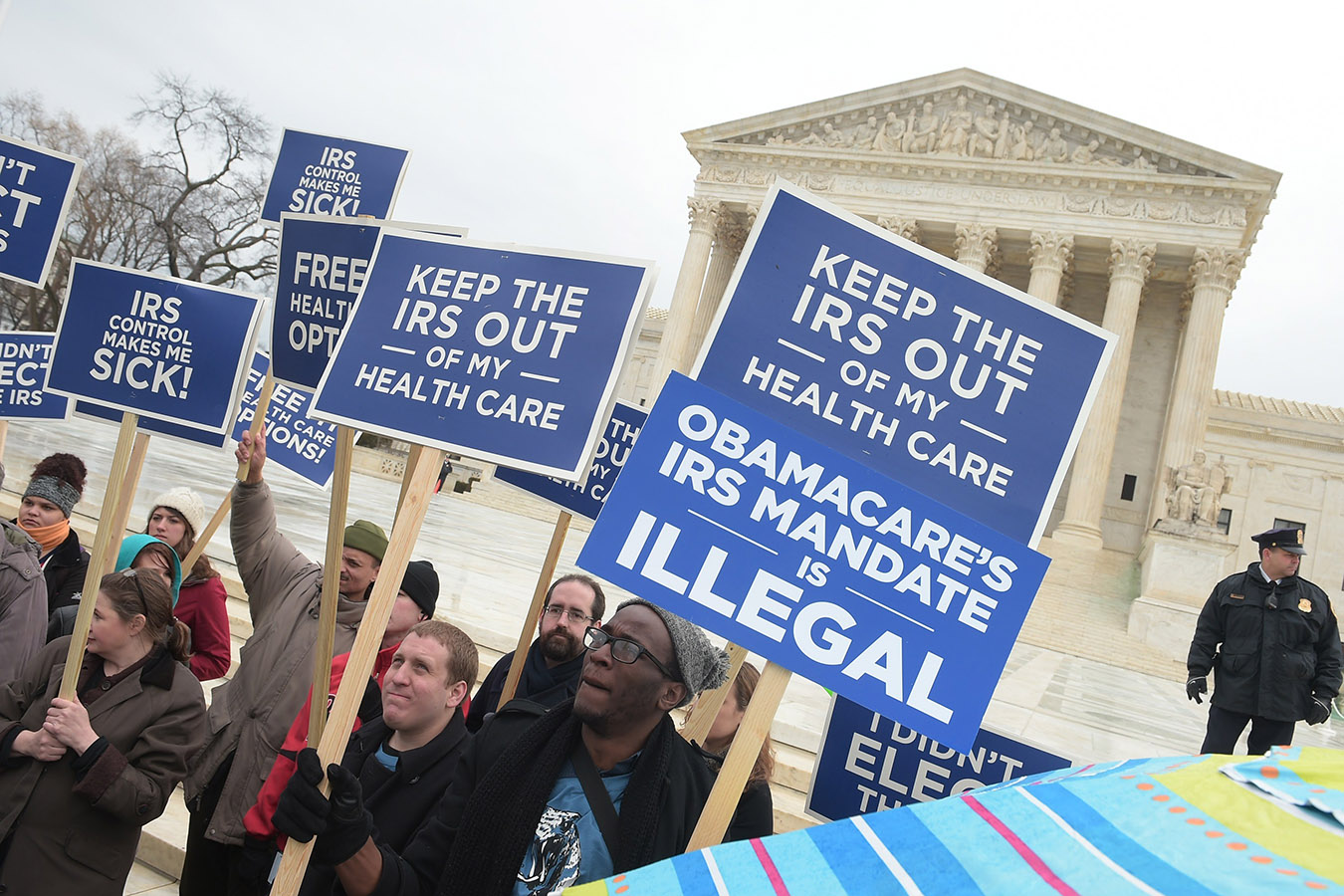
Everything the Democrats said to sell Obamacare was a goddamned lie. They lied right to your face.


Why Do People Hate Obamacare, Anyway?​


At least 800,000 Americans are opting out of Obamacare as healthcare costs soar​


Obamacare has nothing to do with Medicare.


Actually, the only people that generally like Obamacare are Progressive Leftists in the Democrat(ic) party.

wrong.

big businesses related to healthcare love obamaare. because its like a slush fund for them with little accountability.

blame wallstreet Nazis too.

Says the tard on fentanyl. What other drugs are you gobbling down?
 
Back
Top