T. A. Gardner
Serial Thread Killer
The number 1 reason for electric rates to rise like they have is the increasing use of wind and solar. There is not one, none, nada, cases where increasing use of wind and solar has not caused precipitous increases in the cost of electricity. Germany, Spain, Australia, Denmark, Italy... Everywhere that invests heavily in wind and solar has seen electricity prices skyrocket.The average retail price for electricity gained 7.4% in September to a record 18.07 cents per kilowatt-hour, the biggest gain since December 2023, according to data released Tuesday.
American households are paying more than ever before for electricity after prices surged the most in almost two years, according to the US Energy Information Administration.

In the continuous 48 states, California and New York have seen this exact thing happen. Wind has done the same thing in Texas but not quite as bad as massive reliance on solar.
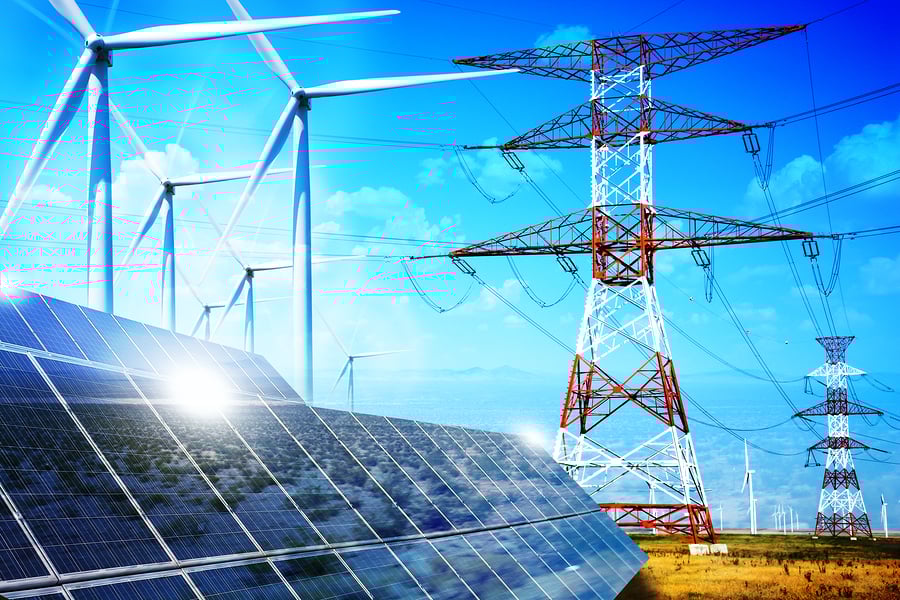
Wind and Solar are the Worst Generating Technologies, Heavily Subsidized by Biden’s Climate Bill
Spain and Portugal’s blackout should be a warning to U.S. lawmakers, who decide the future of the massive renewable tax…
 www.instituteforenergyresearch.org

If Solar And Wind Are So Cheap, Why Are They Making Electricity So Expensive? - Watts Up With That?
From Forbes Michael Shellenberger Energy I write about energy and the environment Pour lire cet article en français, cliquez ici Para leer este artículo
 wattsupwiththat.com
The math is relatively simple. The calculation is for a kilowatt-day, not by the kilowatt-hour like is commonly used. In terms of kilowatt-days of power, wind and especially solar are grossly unaffordable.