DTE connects you with approved companies that install chargers quite cheaply. yeah. if you are living in a log cabin in the woods, you would require system upgrades.Well, the dealer was lying to you. A tier II Tesla charger, wholesale, runs nearly $500 on its own. Wiring for a minimum 50 amp circuit with breaker using 8/2 G NM cable runs about $2.00 a foot right now and the breaker is about $50.

You are using an out of date browser. It may not display this or other websites correctly.
You should upgrade or use an alternative browser.
You should upgrade or use an alternative browser.
Reality check on electric cars
- Thread starter Stringfellow Hawk
- Start date

T. A. Gardner
Serial Thread Killer
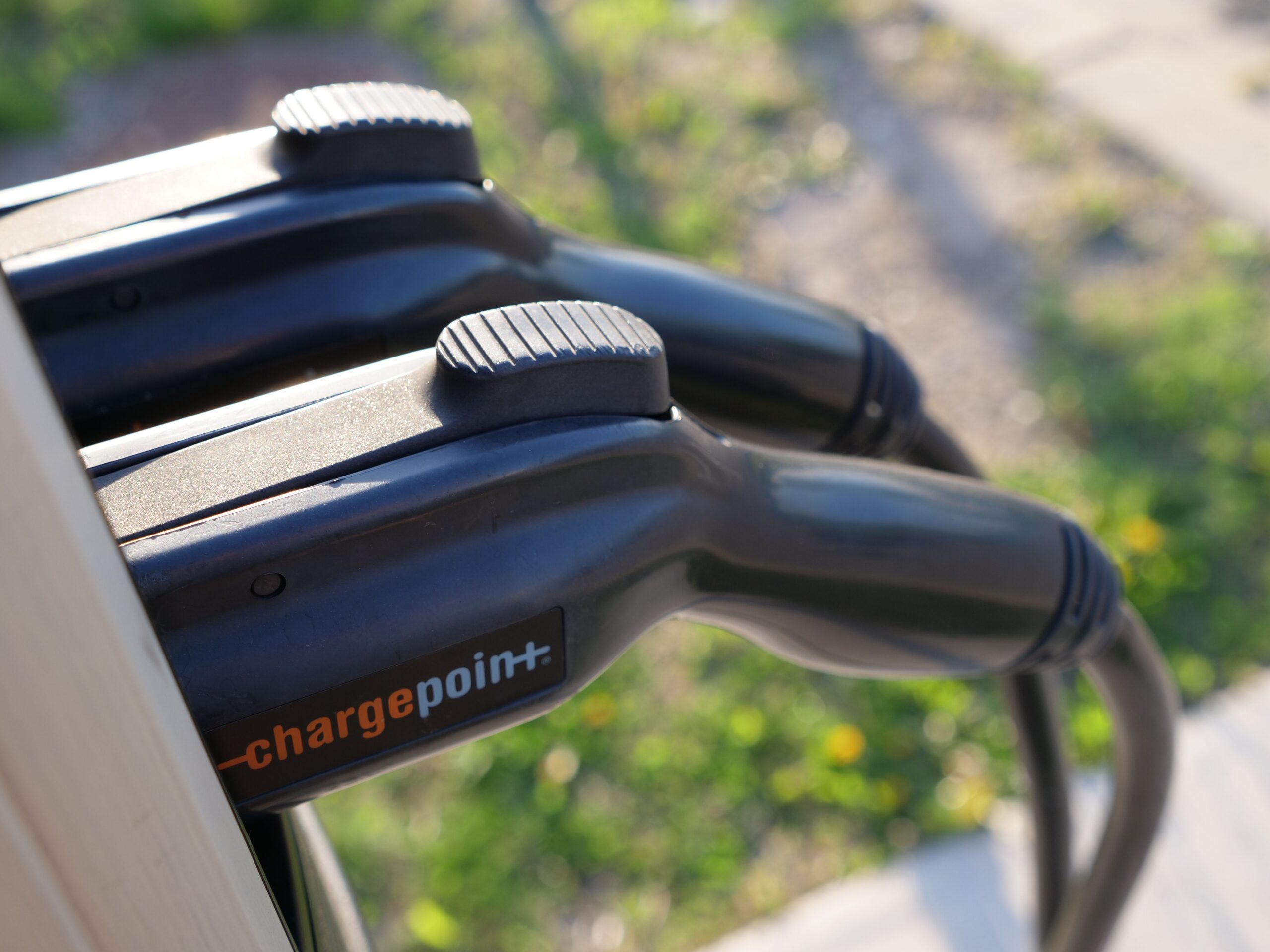
Installing a charger in someone's garage requires a minimum of a 50 amp circuit, two open slots in the breaker panel, running 8/2 G or 6/2 G NM cable to the charger from the panel. If it has to be wired on the surface of the wall of the garage, that requires running 1" EMT to the charger where the cable is exposed.DTE connects you with approved companies that install chargers quite cheaply. yeah. if you are living in a log cabin in the woods, you would require system upgrades.
The wire right now is about $2 + a foot to purchase wholesale. The charger is about $500. Conduit, the breaker, fittings, etc., will run about another $100. That's before tacking on labor.
Unless the company doing the install wants to lose money on the job, it's going to be as I stated earlier. There is no way around that.
I can tell you right now, that most of the ones I've done found the panel lacked the necessary slots for installing the breaker. That meant buying additional thin breakers to double up existing circuits to get room for the new breaker.
If a permit and inspection are required tack on $100 to $300 for that.


T. A. Gardner
Serial Thread Killer
Here's a site that champions EV's saying that the market is done in the US and will remain nothing but a niche one.
 climatecrisis247.com
They are calling for massive, never ending, government subsidies and regulation to force EV's on the public and lamenting that without them people won't switch to EV's.
End Of EV Tax Credit May Cripple Sales Permanently
EV sales remain down by double digits. What might cause that? EV range hasn't changed much over the past year. The numer of public charging stations have not ch
climatecrisis247.com
They are calling for massive, never ending, government subsidies and regulation to force EV's on the public and lamenting that without them people won't switch to EV's.
You mean massive never ending subsidies for fossil fuel companies. You are at peace with paying the polluters.Here's a site that champions EV's saying that the market is done in the US and will remain nothing but a niche one.
End Of EV Tax Credit May Cripple Sales Permanently
EV sales remain down by double digits. What might cause that? EV range hasn't changed much over the past year. The numer of public charging stations have not ch
They are calling for massive, never ending, government subsidies and regulation to force EV's on the public and lamenting that without them people won't switch to EV's.
I do not hear that talk, Who is they?Here's a site that champions EV's saying that the market is done in the US and will remain nothing but a niche one.
End Of EV Tax Credit May Cripple Sales Permanently
EV sales remain down by double digits. What might cause that? EV range hasn't changed much over the past year. The numer of public charging stations have not ch
They are calling for massive, never ending, government subsidies and regulation to force EV's on the public and lamenting that without them people won't switch to EV's.
T. A. Gardner
Serial Thread Killer
We've been over that. Those supposed "never ending subsidies for fossil fuel" are a canard. Those promoting that line of evidence include everything they can but the kitchen sink so-to-speak in an effort to build that case. But it's a bullshit case.You mean massive never ending subsidies for fossil fuel companies. You are at peace with paying the polluters.
T. A. Gardner
Serial Thread Killer
Then do put your counter sources up and make that argument.I do not hear that talk, Who is they?

Into the Night
Contributor
...and the damn thing is required by code now for new construction.Installing a charger in someone's garage requires a minimum of a 50 amp circuit, two open slots in the breaker panel, running 8/2 G or 6/2 G NM cable to the charger from the panel. If it has to be wired on the surface of the wall of the garage, that requires running 1" EMT to the charger where the cable is exposed.
Or, you could just use it as a welder connection.
Oh, the joys of retrofitting a thing like that!The wire right now is about $2 + a foot to purchase wholesale. The charger is about $500. Conduit, the breaker, fittings, etc., will run about another $100. That's before tacking on labor.

Very true. The trouble with idiots like this is that they figure electricity to charge their car just comes out of the air somehow.Unless the company doing the install wants to lose money on the job, it's going to be as I stated earlier. There is no way around that.
Or possibly requiring a new panel as well!I can tell you right now, that most of the ones I've done found the panel lacked the necessary slots for installing the breaker. That meant buying additional thin breakers to double up existing circuits to get room for the new breaker.
And they will be required.If a permit and inspection are required tack on $100 to $300 for that.
Into the Night
Contributor
Fossils aren't used as fuel. Fossils don't burn. They are not subsidized as fuel.You mean massive never ending subsidies for fossil fuel companies. You are at peace with paying the polluters.
What 'polluters'? What 'pollution'?
EVs use almost twice as much energy per mile as a similar sized gasoline car.
EVs get that energy from coal plants, natural gas plants, oil fired generating plants, etc. To get that energy to the EV, you require transformers, power lines, switching stations, generators, etc.; all of which generate waste heat.
Charging the battery generates a lot of waste heat. Using the battery generates a lot of waste heat. This is why EV batteries are liquid cooled. It is also why the motor is also liquid cooled. Yes...that means pumps and radiators.
It is simply far more efficient to just burn the gasoline in the car.
Gasoline and diesel vehicles have effectively unlimited range, since it only requires a few minutes to refuel, not the hours to recharge an EV (plus the hours you have to wait for your turn on the charger!).
The faster you charge the batter, the quicker you destroy it. All batteries have a maximum charging rate. Exceeding that rate destroys the battery.
Into the Night
Contributor
RQAAI do not hear that talk, Who is they?
T. A. Gardner
Serial Thread Killer
...and the damn thing is required by code now for new construction.
Or, you could just use it as a welder connection.
Not that I know of. It is included in the latest electrical code and you put it in residential load calculations where one is installed because it is no different electrically in that sense than a stove, water heater, or dryer. It is just a large load electrical appliance.
Oh, the joys of retrofitting a thing like that!
I just cross my fingers that the helper in the attic doesn't fall through the ceiling and I have to fix the guy's ceiling too.
Very true. The trouble with idiots like this is that they figure electricity to charge their car just comes out of the air somehow.
More to the point, those that want EV's the most fight any new mining for stuff like copper, lithium, and the like that is needed to make them and the chargers they use. That drives the cost of materials sky high through scarcity.
Or possibly requiring a new panel as well!
It can, and if a new panel is needed, that's about $3000 to $4000 from me and as much as $8000 from a full-time contractor.
And they will be required.
Only for a new panel. I'll ask and most people turn down going that route to save a couple hundred dollars. I can do an install in an existing panel no problem without a permit. Also, given what the inspector does, it isn't worth the cost of getting a permit to begin with.
Into the Night
Contributor
Some States are adopting that requirement now. I guess Arizona hasn't yet.Not that I know of. It is included in the latest electrical code and you put it in residential load calculations where one is installed because it is no different electrically in that sense than a stove, water heater, or dryer. It is just a large load electrical appliance.
Quite right. It's just another large load resistive electrical appliance.
Heh. Sucks when that happens!I just cross my fingers that the helper in the attic doesn't fall through the ceiling and I have to fix the guy's ceiling too.
Add to that the AI center demand, which is also driving the price of copper up a lot.More to the point, those that want EV's the most fight any new mining for stuff like copper, lithium, and the like that is needed to make them and the chargers they use. That drives the cost of materials sky high through scarcity.
So copper wiring for houses and buildings is just more expensive (a lot more expensive!). Metal conduit (if needed) is climbing in price as well.
A pretty fair bid on the price for upgrading a panel in many cases.It can, and if a new panel is needed, that's about $3000 to $4000 from me and as much as $8000 from a full-time contractor.
In city houses, you might have to replace the old knob and tube wiring. Then it gets REALLY expensive!
Heh. I know what you mean!Only for a new panel. I'll ask and most people turn down going that route to save a couple hundred dollars. I can do an install in an existing panel no problem without a permit. Also, given what the inspector does, it isn't worth the cost of getting a permit to begin with.
At least it sounds like most of the buildings you work in for this work are reasonably modern.
For older buildings in other areas, typically in cities, there isn't a prayer to install one of these chargers until you upgrade the entire wiring for the house! You basically are forced to rip it all out and rewire it from scratch, including of course a new panel and quite possibly an upgraded service entrance. That old wiring should've been ripped out anyway, but this rather forces the issue.
These same houses didn't use drywall either. It's lathe and plaster on the wall. VERY messy!
And EV drivers tend to be city dwellers.
