Americans are hunting for coupons and skipping favorite foods to keep up with grocery prices

Noking

Fight authoritarianism support Noking
I admit that this did start during the Biden presidency, and Crazy Trump took advantage of the plight of these people by promising to end inflation on day one, but all that Crazy trump has done to this dare is to exasperate the situation.


The cost of eating at home has jumped 33% since the start of 2019, according to Bureau of Labor Statistics data tracking U.S. food prices. Rising conflict in the Middle East has added new pressure on supply chains, pushing affordability into the center of this fall's midterm elections. Across four U.S. metro areas where food inflation has outpaced the national average, residents describe a shared shift: hunting for discounts, switching to store brands, and quietly buying less than they used to.

 
I admit that this did start during the Biden presidency, and Crazy Trump took advantage of the plight of these people by promising to end inflation on day one, but all that Crazy trump has done to this dare is to exasperate the situation.


The cost of eating at home has jumped 33% since the start of 2019, according to Bureau of Labor Statistics data tracking U.S. food prices. Rising conflict in the Middle East has added new pressure on supply chains, pushing affordability into the center of this fall's midterm elections. Across four U.S. metro areas where food inflation has outpaced the national average, residents describe a shared shift: hunting for discounts, switching to store brands, and quietly buying less than they used to.

Less eating and whining.....MORE working. I'm sorry Trump cut off your ability to buy Ho ho's , Pringles and generic Coke with your food stamps but you will just have to get over it. Toughen up cupcake. :watermark:
 
Less eating and whining.....MORE working. I'm sorry Trump cut off your ability to buy Ho ho's , Pringles and generic Coke with your food stamps but you will just have to get over it. Toughen up cupcake. :watermark:
Stoney Baloney, I suppose that you're going to tell me that, because of your superior intelligence and hard work that you're independently wealthy and you're not worried about inflation.
 
I admit that this did start during the Biden presidency, and Crazy Trump took advantage of the plight of these people by promising to end inflation on day one, but all that Crazy trump has done to this dare is to exasperate the situation.


The cost of eating at home has jumped 33% since the start of 2019, according to Bureau of Labor Statistics data tracking U.S. food prices. Rising conflict in the Middle East has added new pressure on supply chains, pushing affordability into the center of this fall's midterm elections. Across four U.S. metro areas where food inflation has outpaced the national average, residents describe a shared shift: hunting for discounts, switching to store brands, and quietly buying less than they used to.
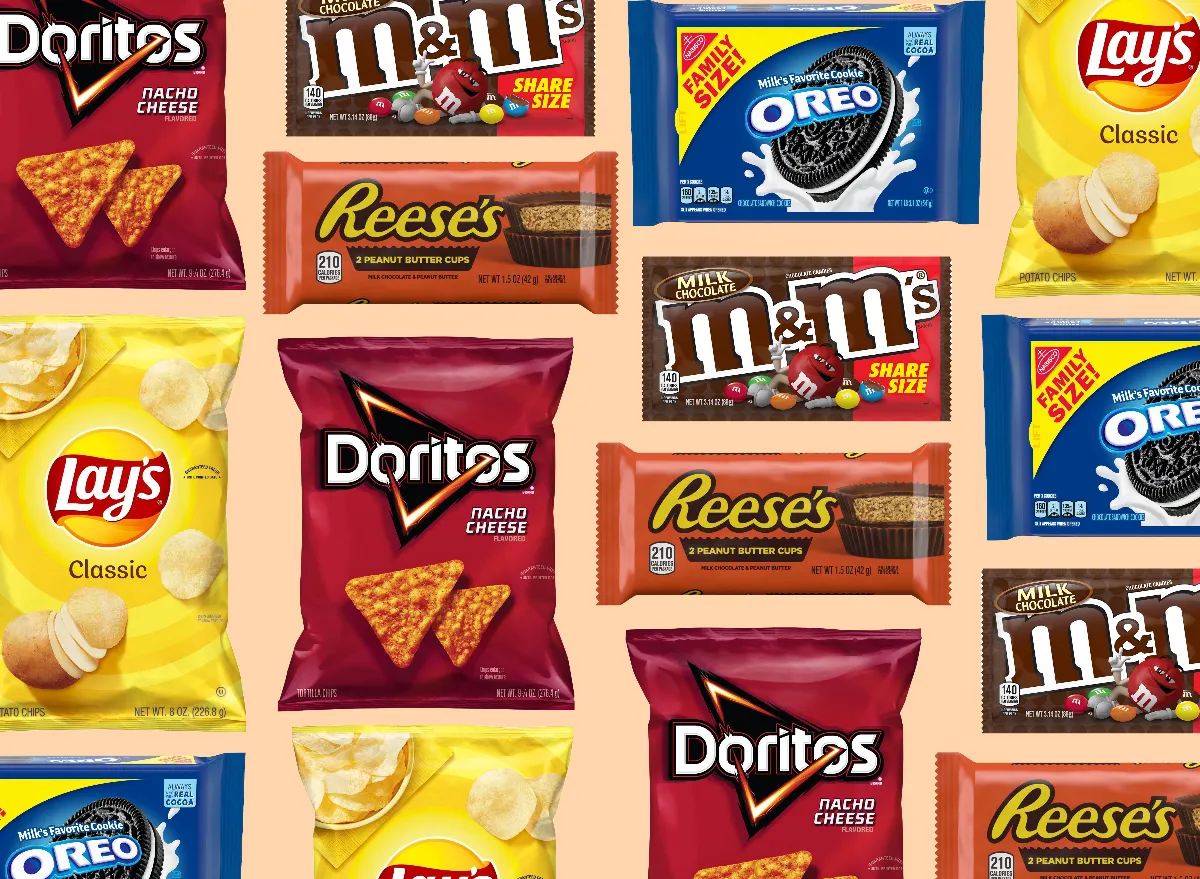
You mean Americans are eating less of this kind of stuff?

snacks-in-america.jpg


Sounds like a plan to me!
 
Stoney Baloney, I suppose that you're going to tell me that, because of your superior intelligence and hard work that you're independently wealthy and you're not worried about inflation.
Inflation is TRANSITORY ,.....REMEMBER? No big deal,....REMEMBER? You, Biden and the left all swore to that just a few years ago,....REMEMBER?
 
I admit that this did start during the Biden presidency.
Yep......Biden did it by printing all of that free Covid money out of thin air to hand out to bums and lazy people. Back then the left called it only transitory ....
 
Less eating and whining.....MORE working. I'm sorry Trump cut off your ability to buy Ho ho's , Pringles and generic Coke with your food stamps but you will just have to get over it. Toughen up cupcake. :watermark:
Pure Trumpism ^, what difference does it make if Americans have to pay a few cents more for gas, Democrats hope Donnie keeps up the same rant for the next several months
 
Biden printed money? When did that happen?

Was the money supply increased by the Fed during the Biden years?


Yes, overall the broad money supply (primarily measured by M2) increased during the Biden years (January 2021–January 2025), though the path was uneven: strong growth early on, a notable contraction in 2022–2023, then renewed expansion.


Key M2 figures (seasonally adjusted, approximate, from Federal Reserve H.6 data and secondary compilations)​


  • January 2021 (near the start of the term): roughly $19.4 trillion.
  • Peak (around April 2022): roughly $21.7 trillion.
  • Trough after contraction (late 2023): around $20.7 trillion.
  • Late 2024 / early 2025 (near the end of the term): roughly $21.4–$21.5 trillion.

Yearly snapshots from compiled data show:


  • 2021: strong growth (continuation of the pandemic-era surge).
  • 2022: still elevated but growth slowing, then beginning to decline.
  • 2023: net contraction (first sustained year-over-year decline in M2 in modern records).
  • 2024: renewed modest growth.

From early 2021 to early 2025, M2 rose on the order of $2 trillion (roughly 10–11% cumulative). Much of the explosive growth was driven by COVID-era fiscal stimulus (large deficits and direct payments) combined with Federal Reserve quantitative easing (QE) that expanded the Fed’s balance sheet to nearly $9 trillion.


What the Fed actually did​


  • 2021–early 2022: Continued asset purchases (QE) and kept rates near zero, supporting rapid M2 expansion as bank deposits surged.
  • Mid-2022 onward: Shifted to aggressive tightening—rapid rate hikes and quantitative tightening (QT, allowing securities to roll off the balance sheet without full reinvestment). This contributed to the M2 contraction in 2022–2023 as liquidity was drained and deposits shifted (e.g., toward higher-yielding money-market funds).
  • Later period: Rate cuts began in 2024; M2 growth resumed at a more moderate pace (closer to historical norms of a few percent per year), even as the Fed’s balance sheet continued shrinking overall via QT.

Important context​


  • The large 2020–2022 expansion is widely linked to the subsequent inflation surge; the later contraction and tighter policy helped bring inflation down from its peak.

In short: M2 ended the Biden years higher than it started, with the net increase concentrated in the first half of the period and partially offset by the 2022–2023 decline under tighter Fed policy. Data come primarily from the Federal Reserve’s H.6 Money Stock Measures releases (available via FRED and the Fed’s site).

 
Back
Top