Here's Grok's answer:
Yes, with important caveats: Tim Mynett (Ilhan Omar’s husband) co-owned eStCru LLC (also referred to as eStCru Wines or ESTCRU), a California wine company/label that did produce and sell wine for a period, but it was not a traditional estate winery with its own vineyards or dedicated production facility, and operations effectively ceased years before the company formally terminated.WashingtontimesNY Post
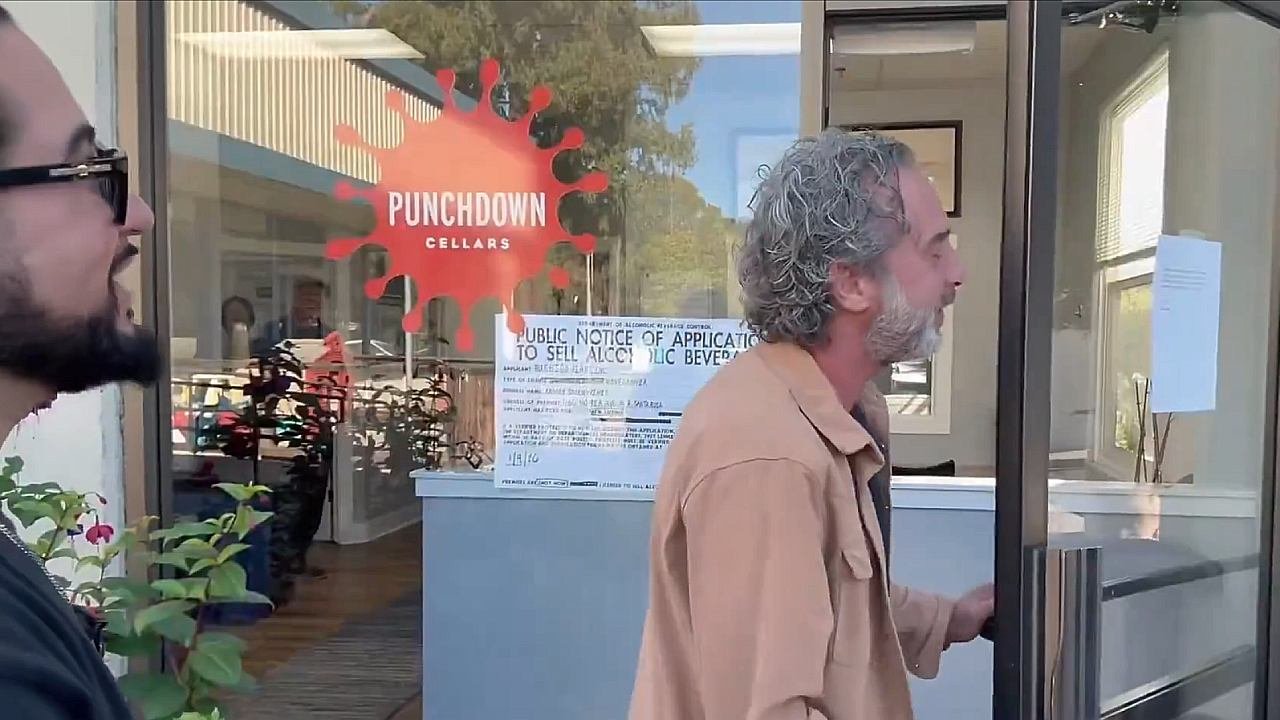
Mynett and longtime business partner Will Hailer (a former Democratic operative) founded the company around 2020–2021. It held a California Alcoholic Beverage Control Type 02 winegrower license (issued late 2020), which covers production of wine, including via “alternating proprietorship” arrangements that use another facility’s equipment. The company was based in the Santa Rosa area (addresses linked to Hopper Ave. and related locations that host multiple wine operations).Opengovus
It functioned primarily as a brand/label that sourced grapes from small-lot growers (Lodi, Clarksburg, Sonoma County, Central Coast, Willamette Valley, etc.) and partnered with winemakers rather than operating its own full production site. Wines under labels such as Blockchain, The Devil’s Lie, Overt, Clothesline, Fizzical, and others were produced and sold; some won awards (including two Double Gold medals at the 2022 San Francisco Chronicle Wine Competition), and Wine Business Monthly named it a “hot brand” of 2022. A winemaker (Erica Stancliff) worked with the company until early 2023, when payments stopped.WineindustryadvisorMinnesotareformer
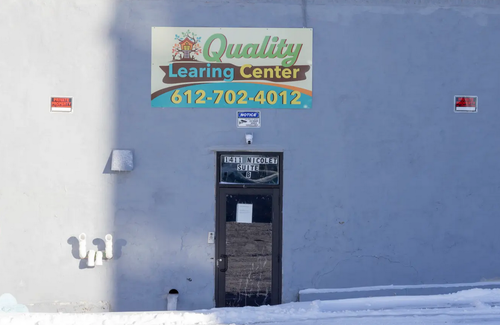
Activity declined sharply after that. Social media and the website went largely inactive by 2023, cash reserves were reported as very low in early 2024 (around $650 in one account), and an investor sued alleging misrepresentation about the business’s legitimacy (the case settled; the principal investment was returned late, without the promised returns). A spokesperson described the winery as “dead” by early 2026. The company filed for termination with the California Secretary of State on April 4, 2026.FreebeaconNY Post
Omar herself did not own the winery. Her congressional financial disclosures listed her husband’s ownership stake (as a spousal asset). Those filings showed low valuations in earlier years, a sharp reported increase for 2024 (into the $1–5 million range for the winery, contributing to high overall household figures), followed by an amended disclosure that reduced the value to none, attributed to accounting issues. The valuations and related companies (including a separate venture capital firm) have drawn Republican scrutiny and House Oversight requests for records.Noticias.foxnewsFox News
In short, they owned a licensed wine company that produced and marketed actual wine for a time via contracted growers and production partners. It was a real but short-lived, financially troubled brand rather than a conventional producing estate winery, and it had largely stopped operating well before its formal dissolution.