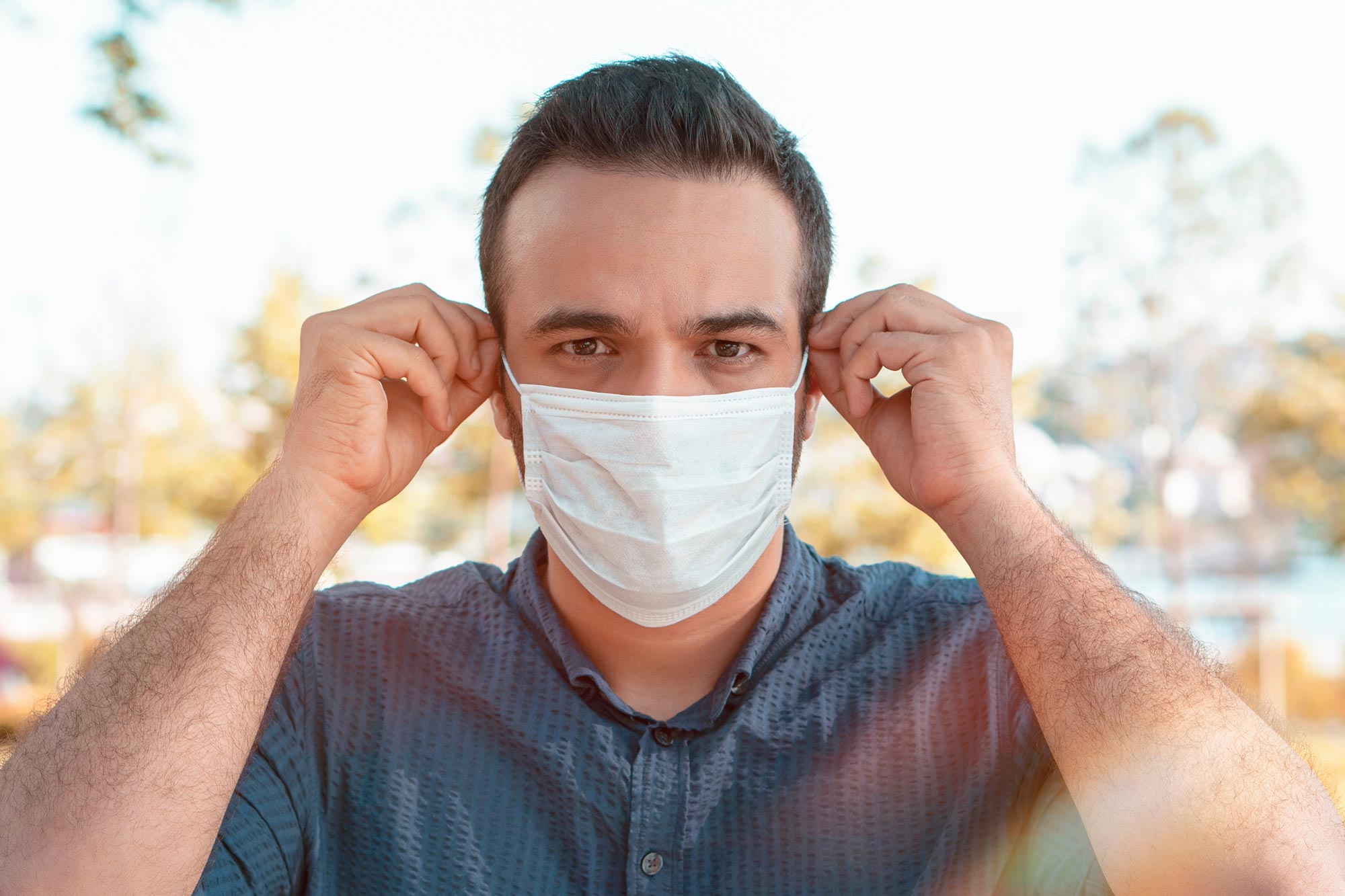
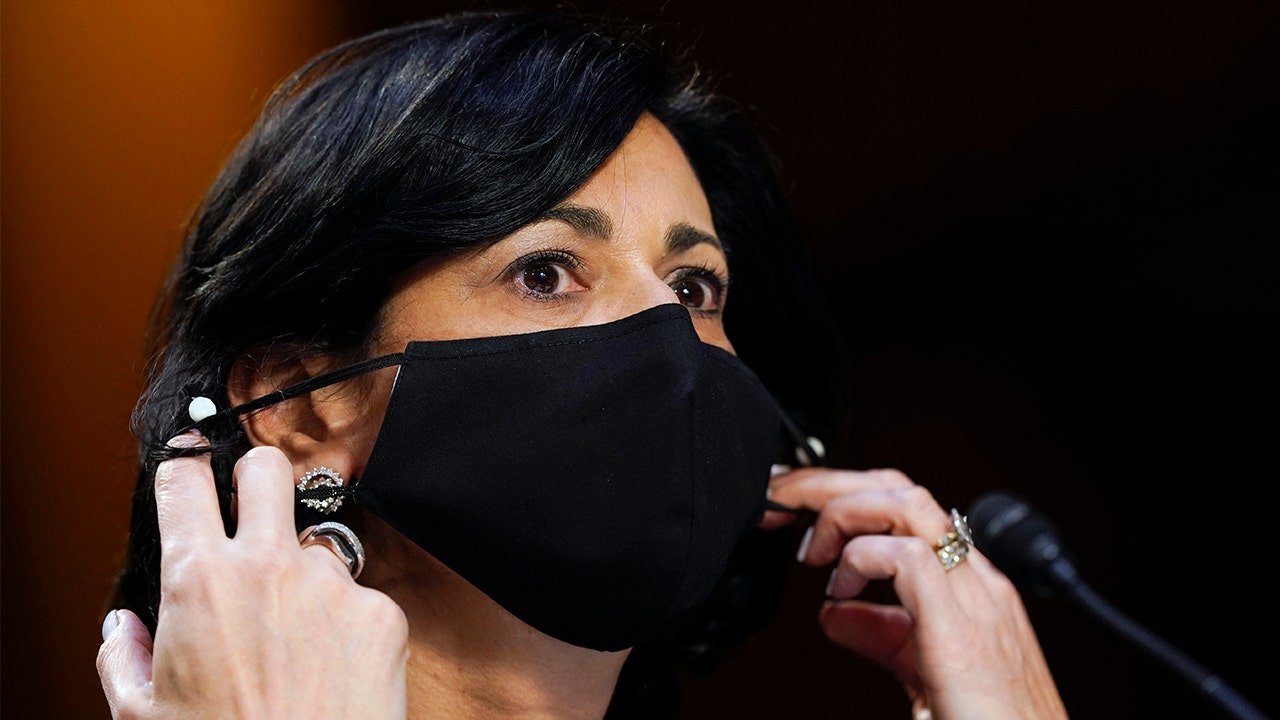
People don't go around spitting on each other. The chances of catching an airborne disease in a reasonably well-ventilated space during short casual contact, like standing in line at a checkout counter is essentially zero.
No, they showed lab testing that didn't reflect the real world
A new study indicates that face masks did not significantly lower Covid-19 infection risk after the initial Omicron wave, highlighting the need for adaptable strategies and further research as risk factors evolve. New findings from the University of East Anglia suggest that wearing face masks did n
scitechdaily.com
A new scientific review suggests that mask mandates, per the CDC's recommendations, may have done little to nothing to curb the transmission of COVID.

www.foxnews.com
The immunologist has faced criticism after admitting there was less conclusive evidence that mask-wearing prevented COVID infections at a population scale.

www.newsweek.com
Why? It doesn't hurt particularly but they are in a different situation than people walking down the street or shopping in some big box store.
Did lab testing of the Covid vaccine reveal that it was a truly effective product in treating the disease?
Before human trials, vaccines underwent:
- in‑vitro (lab) testing
- animal studies
- phase 1 safety trials
These showed that the mRNA vaccines produced:
- high levels of neutralizing antibodies
- strong T‑cell responses
- no major safety concerns
This is the basic scientific requirement before any vaccine moves to large human trials.
The large Phase 3 trials (tens of thousands of participants) found:
Pfizer‑BioNTech
- 95% efficacy at preventing symptomatic COVID‑19 in the original 2020–2021 trial.
Moderna
- 94.1% efficacy at preventing symptomatic COVID‑19.
Johnson & Johnson
- 66% efficacy globally at preventing symptomatic disease
- 85% efficacy at preventing severe disease
These results were published in peer‑reviewed journals (
NEJM,
The Lancet,
JAMA).
Once vaccines rolled out to millions of people, multiple countries tracked outcomes. They found:
- 90%+ reduction in hospitalization and death
- Sharp drops in severe disease
- Lower transmission rates in vaccinated populations
This held true even as variants emerged, though protection against
infection decreased over time — which is normal for respiratory viruses.
Protection against
severe disease remained strong.
This is an important distinction:
- Vaccines prevent infection and severe disease.
- Treatments (like Paxlovid, monoclonal antibodies, steroids) treat active infection.
So the vaccine’s job is
prevention, not treatment — and by that standard, the lab and clinical data showed they were highly effective.
Yes — lab testing and clinical trials showed the COVID‑19 vaccines were effective at preventing COVID‑19, especially severe disease. They were never intended to
treat active infection, but to prevent it or make it far less dangerous.