AI Overview
Social democracies are not distinct forms of government, but rather nations that combine a capitalist free-market economy with comprehensive, state-funded social welfare systems. These countries are primarily concentrated in the Nordic model of Northern and Western Europe.
Prominent examples of social democracies include:
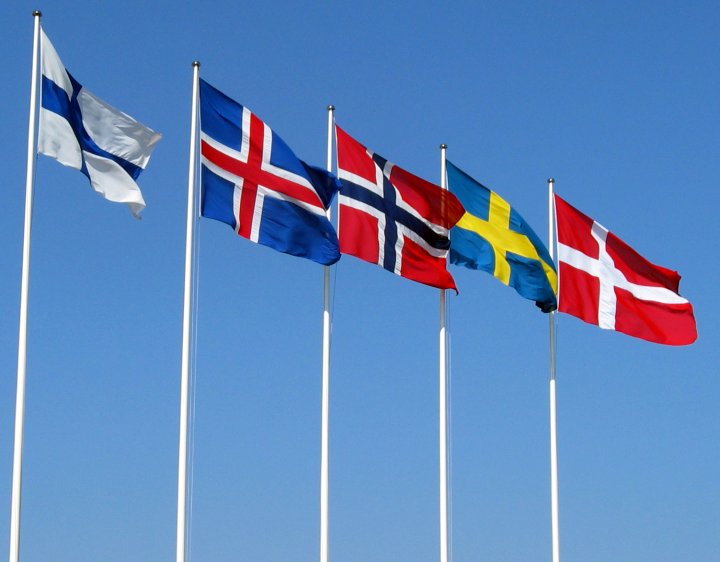
- Sweden: The foundational example, featuring extensive universal healthcare, generous parental leave, and robust public education.
- Denmark: Known for its "flexicurity" model, combining a flexible labor market with a strong social safety net.
- Norway: Heavily utilizes its sovereign wealth fund to provide broad public services and economic equality.
- Finland: Famous for its world-class public education system and strong egalitarian policies.
- Iceland: Features a strong labor union movement and high standard of living.
While the Nordic nations are the most widely recognized examples, many other countries—such as Germany, France, New Zealand, and Canada—regularly implement social democratic policies (like universal healthcare and strict labor protections) depending on the political party in power.
For a more comprehensive look at global social democratic movements, consult the Socialist International directory of global center-left parties.



www.sgi-network.org