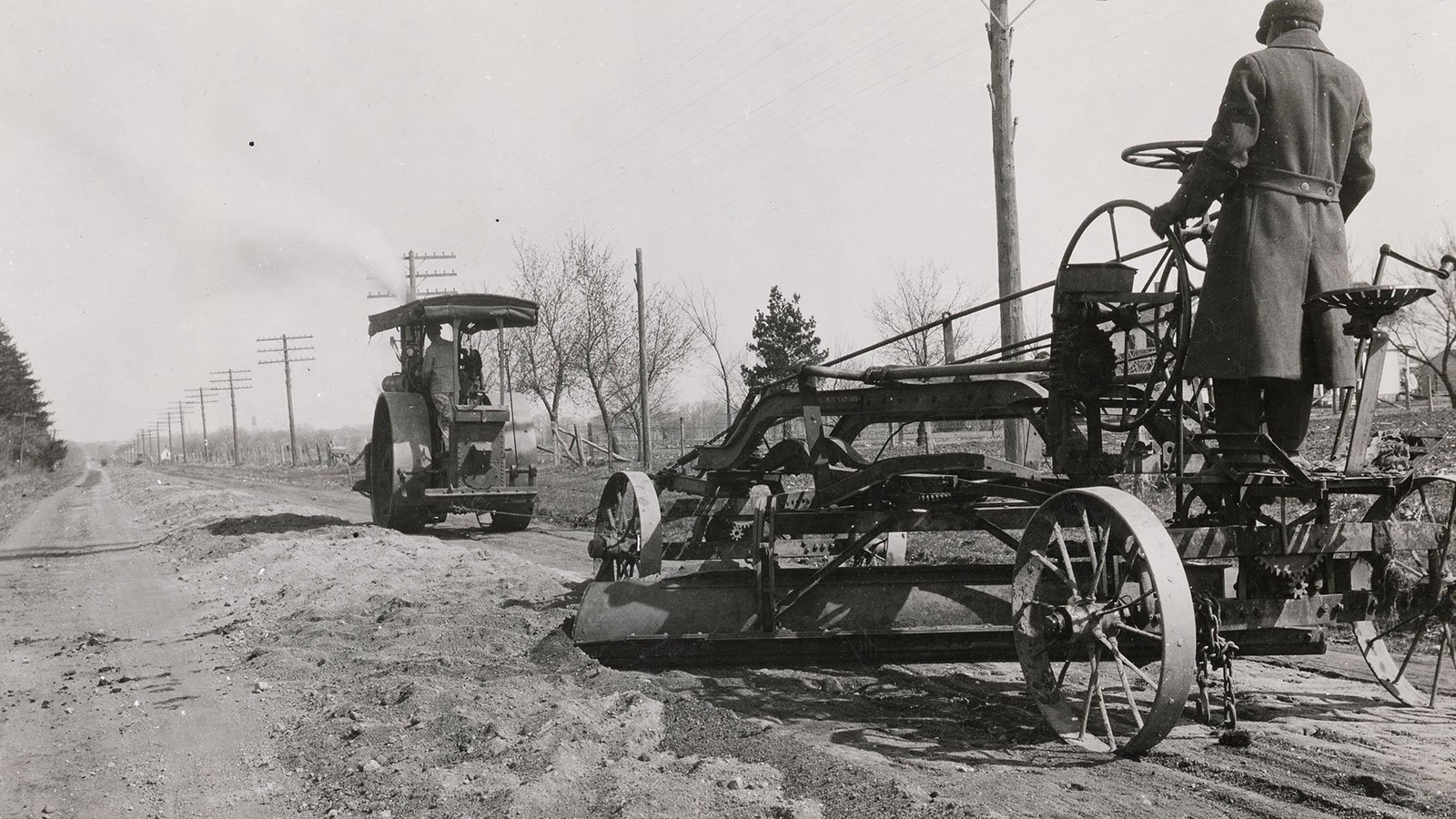
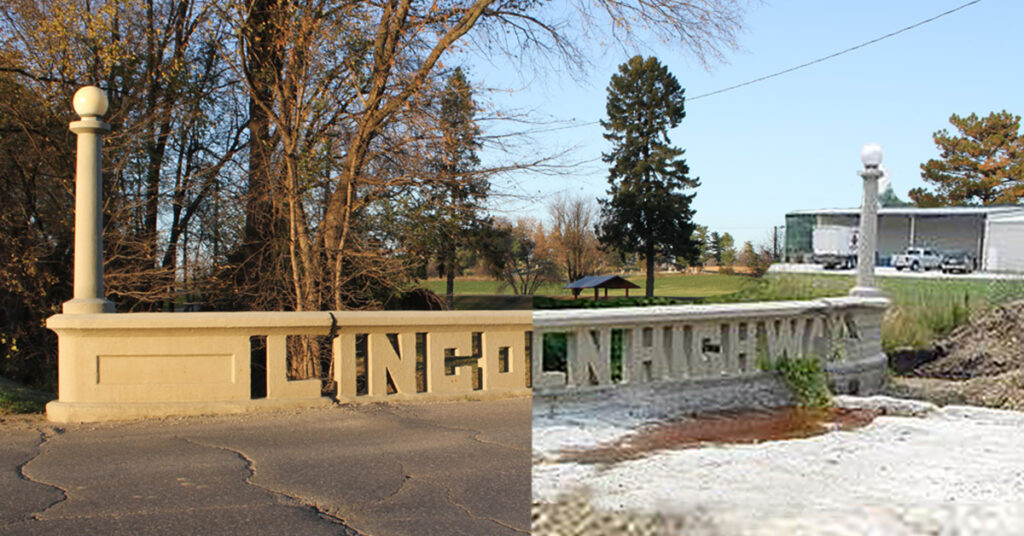
Here is how the funding and construction actually worked:
1. The Role of Private Associations (Promotion, Not Paving)
The private entities involved (like the
Lincoln Highway Association) were primarily
promotional, mapping, and lobbying organizations, not construction companies. [
1,
2]
- Their founders—often automotive businessmen like Carl G. Fisher (who backed both the Lincoln and Dixie Highways)—wanted to encourage car ownership and tourism. [1, 2]
- They mapped out routes using existing local dirt roads, came up with catchy names, and painted colored markers on telephone poles so drivers wouldn't get lost. [1, 2, 3]
- When they did spend private money on construction, it was usually only for short "seedling miles" (sample strips of concrete or brick) designed to show local communities what a good road looked like so those communities would vote for tax bonds to pave the rest. [1]
2. The Early Pivot to Government Funding
The private sector abandoned the idea of self-funding these highways almost immediately because the costs were vastly underestimated. For instance, Carl Fisher initially estimated the
Lincoln Highway would cost $10 million, but car magnates like Henry Ford refused to donate, arguing that funding public infrastructure was a fundamental role of government, not private business. [
1,
2,
3]
As a result, the private trail associations shifted their main focus to
lobbying state and local governments to construct and maintain the roads: [
1,
2]
- Local & County Taxes: Early sections were funded by county and state matching funds, often through voter-approved infrastructure bonds.
- The Federal Government: Realizing local funding wasn't enough to connect the country, these associations heavily lobbied for the Federal Aid Road Act of 1916 and the Federal Highway Act of 1921, which pumped millions of dollars of federal taxpayer money into these specific routes. [1, 2, 3]
3. The Real Breakdown of the Roads
| Highway | Conceived | How It Was Actually Paid For |
|---|
| Lincoln Highway | 1912 | The association gave up on private funding early. The vast majority of the road was built using local, state, and federal matching funds. It later became US 30, US 40, and US 50. |
| Jefferson Highway | 1915 | Formed by the Jefferson Highway Association, the project relied heavily on county bonds and state highway departments to improve the individual links. It was later absorbed into US 65, US 69, and US 71. |
| Dixie Highway | 1915 | Funded by a fragile coalition of individuals, businesses, local governments, and states, with the federal government providing massive funding in the 1920s. It eventually became US 25, US 31, and US 41. |
| Old Spanish Trail | 1915 | Initial funding was provided entirely by the states and counties through which the trail passed. Out of the roughly $80 million it cost to complete by 1929, the vast majority was government money. It was later replaced by US 90 and Interstate 10. |