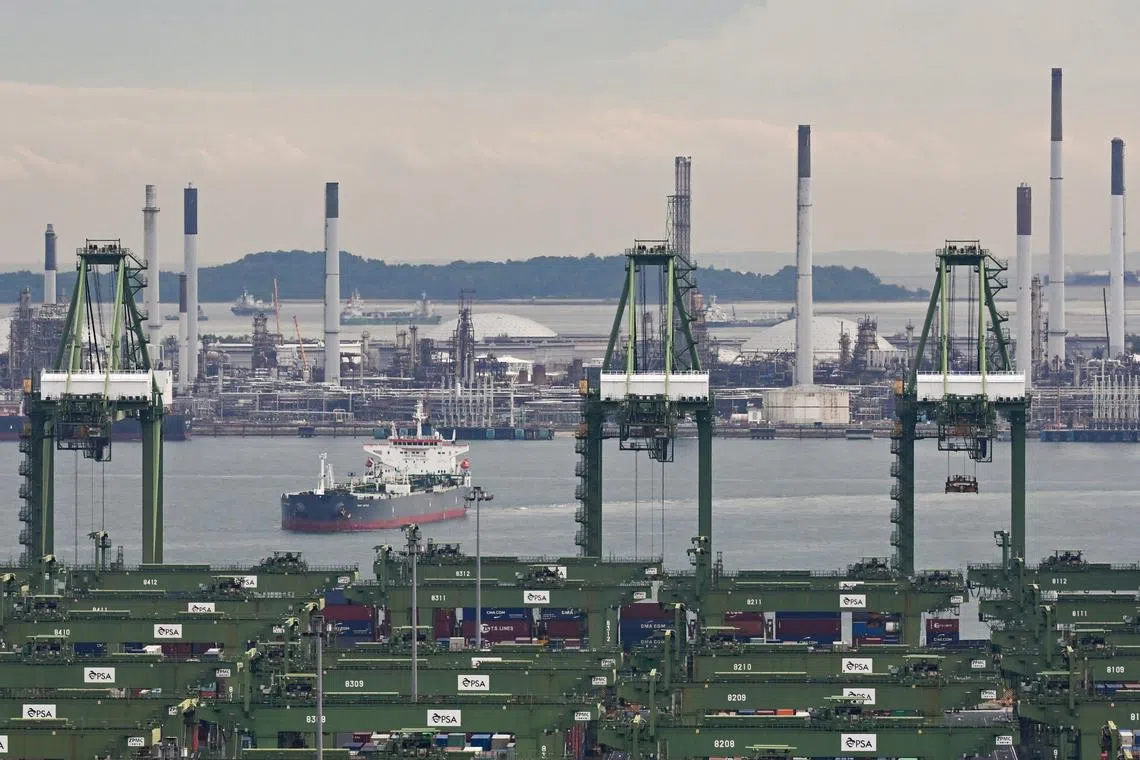
It's not just Hormuz. What share of global oil, LNG, wheat, rice, and fertilizer shipments transits the Bab-el-Mandeb Strait?"
The Bab el-Mandeb is the Southern access to the Red Sea and the Suez Canal, which gives access to the Mediterranean Sea.
Yemen's Armed Forces sit on the shores of the Bab el-Mandeb and in November 2023 began attacking Israeli-linked ships in the Red Sea to show solidarity with Palestinians in the bombardment and besieged Gaza Strip.
The attacks caused a large reduction in ship traffic through the Red Sea – by more than 50%, according to some estimates – and companies saw costs and shipping times spike as vessels were rerouted around the Cape of Good Hope at the Southern tip of Africa.
According to the World Economic Forum, 12% of total global trade and 30% of the world’s container traffic transits the Suez Canal. Around 6% of the world’s seaborne-traded oil transits the Bab el-Mandeb, according to the US Energy Information Agency.
The Yemeni Armed Forces have officially joined the war against the US and Israel in support of Iran and the resistance front in Lebanon, Iraq and Palestine.
Yemen’s entry into the conflict may put the region’s oil exports and shipping at even greater risk.
The Strait of Hormuz has been effectively closed since the onset of war in late February. Yemen can threaten another critical chokepoint - the Bab al-Mandab Strait connecting the Red Sea and the Indian Ocean.